logo-upply-corail-press

Freight Transport: complete guide

Browse our transport glossary
Definition

What Is Freight Transport?

Freight transport covers all the operations that move a product from point A to point B, whatever the mode used: truck, ship, plane, train or barge. It is the physical link of the supply chain, connecting suppliers, factories, warehouses and customers.

The term freight is also widely used. It refers both to the goods being transported and, more broadly, to the whole sector: hence expressions such as the freight market or the freight rate.

A shipment is domestic when it stays within a single country, and international when it crosses at least one border. In the latter case, rules, documents and sometimes players change: this is the whole challenge of international freight transport.

Behind every shipment, three flows are at work: the goods (physical flow), information (orders, prices, documents, tracking) and payment (financial flow).

container-port-freight
truck-road-freight container-port-sea-freight aircraft-airport-plane-freight container-train-rail-freight Inland-waterway-transport
modes

What Are the Main Modes of Freight Transport?

Five modes share the freight transport market: road, ocean, air, rail and inland waterways. Each has its own sweet spot, and the right choice depends on distance, volume, urgency and the value of the goods.

Ocean freight carries about 80% of international trade by volume. In Europe, it accounts for 67% of tonne-kilometres, road for 26% and air for 0.2%. This unit takes the distance travelled into account, which explains the weight of ocean freight: looking at land modes only, road accounts for 78%.

These modes can also be combined: a shipment is multimodal when a single journey uses at least two modes, and intermodal when the loading unit (container, swap body) stays the same.

(Sources: UNCTAD, Review of Maritime Transport 2025 ; Eurostat, 2024 data.)

  • The most widely used mode in Europe and North America

  • Highly flexible: door-to-door delivery with no break in load

  • Suited to short and medium distances

  • Sensitive to fuel costs, social regulations and congestion

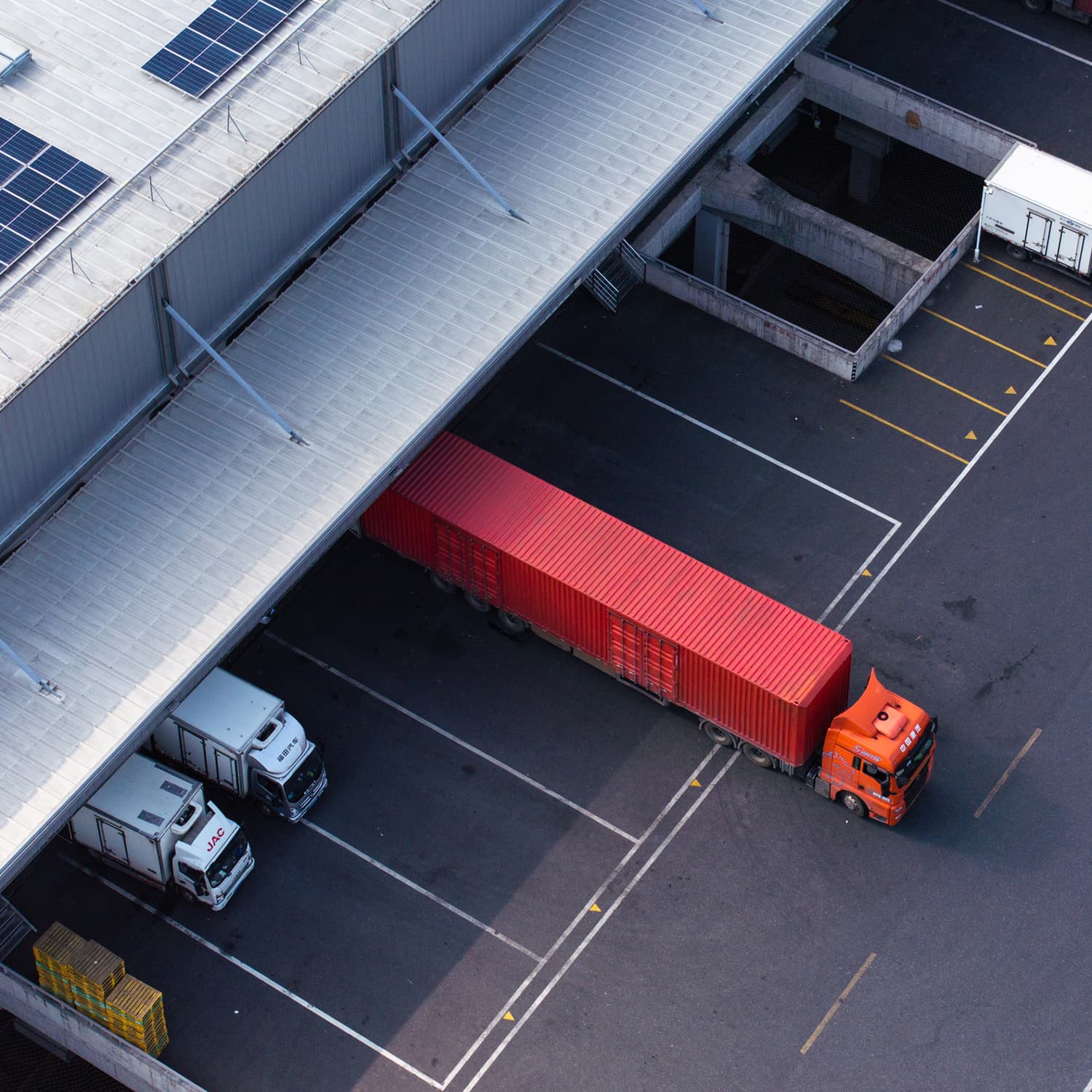
truck-road-freight
  • The dominant mode for international trade (about 80% of global volume)

  • Very high capacity (bulk carriers, container ships)

  • Low unit cost over long distances

  • Long lead times and dependence on ports and port infrastructure

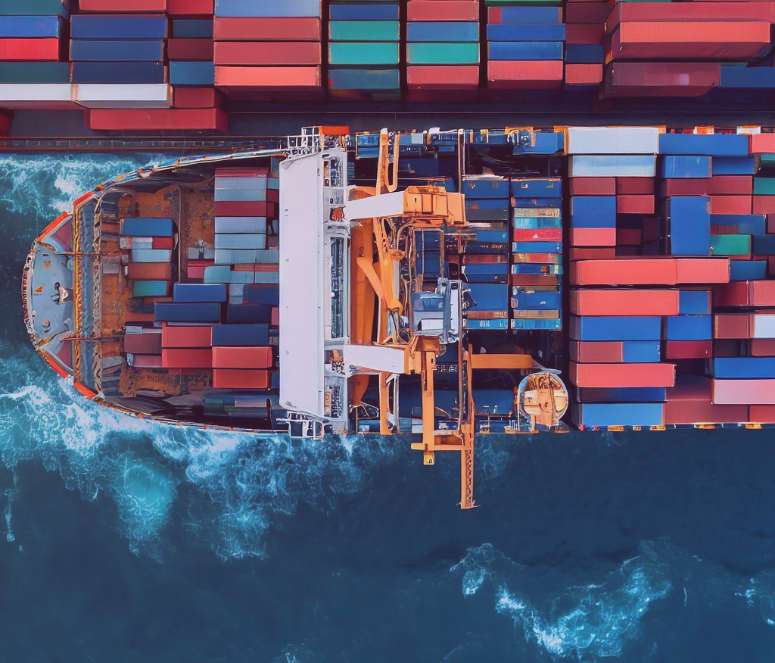
container-port-sea-freight
  • The fastest mode of transport, suited to high-value, perishable or urgent goods

  • Marginal in volume (under 1% of international trade), but about 35% of its value

  • High cost and limited capacity

  • Significant carbon footprint

aircraft-airport-plane-freight
  • Suited to long land distances and large volumes

  • Growing rail corridors (notably Eurasia)

  • Less flexible than road, but lower CO₂ emissions

  • Growing as part of the energy transition

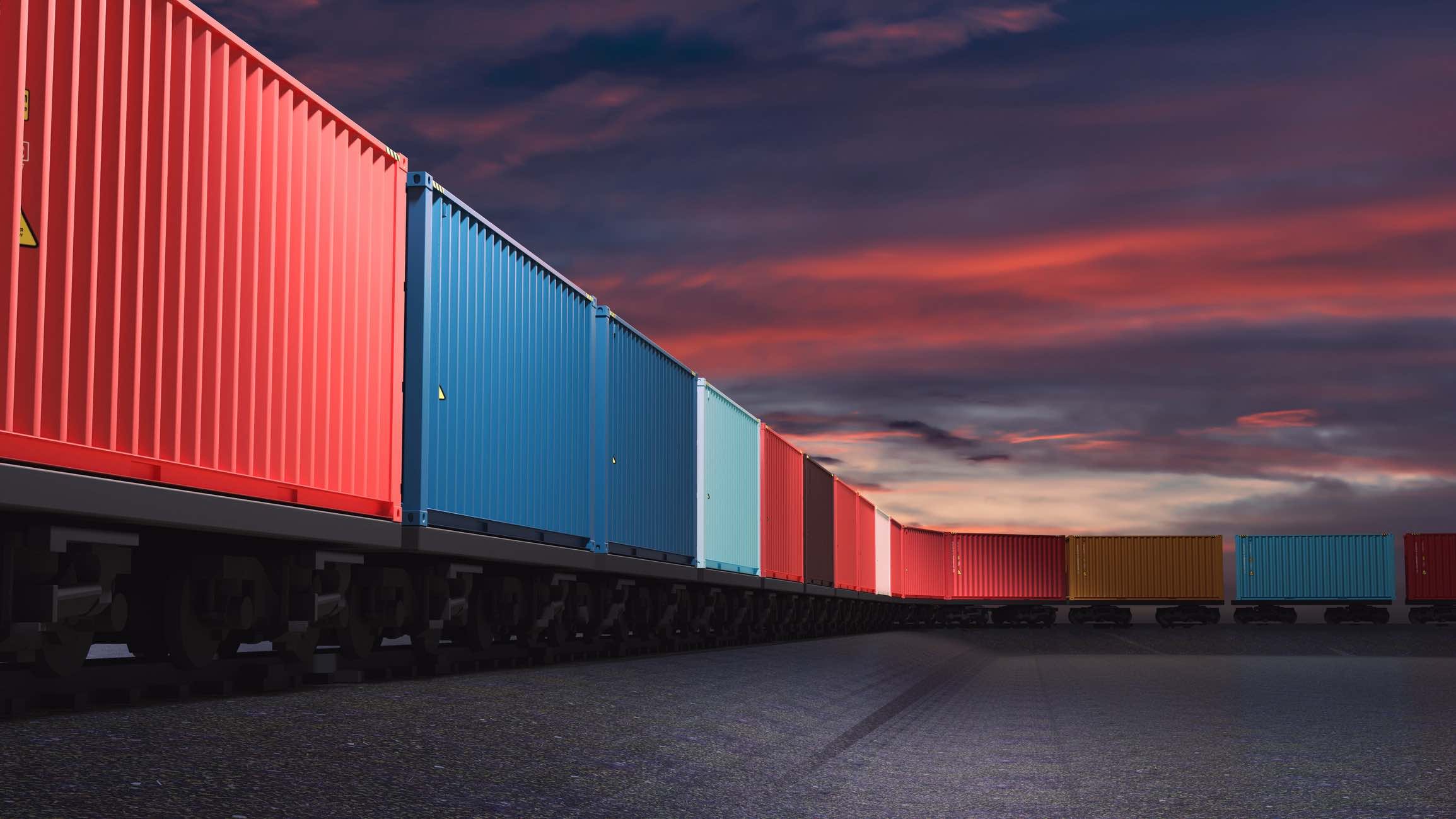
container-train-rail-freight
  • Used for large volumes on specific routes (Rhine, Rhône, Danube...)

  • Low cost and low carbon footprint

  • Geographically limited and sensitive to weather conditions

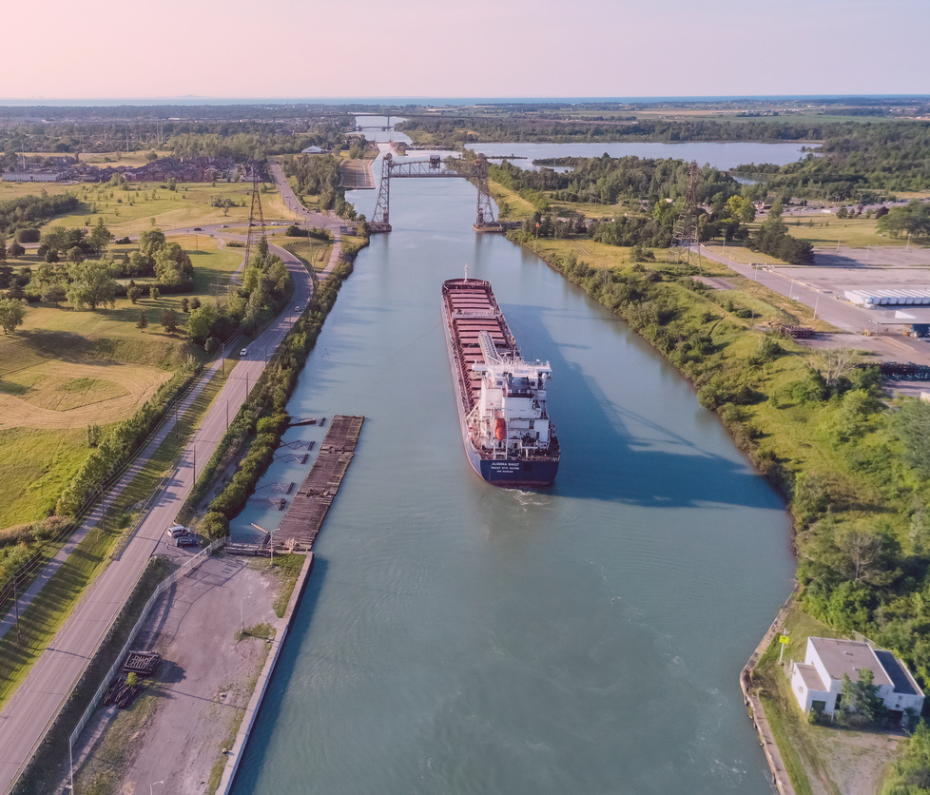
Inland-waterway-transport
Players

Who Is Involved in a Freight Shipment?

A shipment involves several players with distinct roles. On domestic flows, the shipper often buys directly from the carrier, with no intermediary.

  • Shipper: the company that owns the goods, expresses the transport need and pays for it

  • Carrier: the company that physically carries out the transport, from the independent truck driver to the shipping line

  • Freight forwarder: the intermediary that organizes transport on behalf of the shipper and subcontracts it to carriers

  • Customs broker / forwarding agent: the intermediary that handles customs and administrative formalities, mostly for international shipments

Three other roles complete the picture:

shipper-supply-chain-warehouse
How It Works

How Does a Freight Shipment Work?

Whatever the mode, a shipment follows the same six steps:

  1. Quotation: the shipper defines its needs (volumes, dates, constraints) and requests a price, through its contract rate card or a request for quotation (RFQ)

  2. Booking: choice of carrier (contract or spot) and confirmation of the reservation

  3. Loading: pick-up of the goods and issue of the transport document (the CMR for international road freight)

  4. Transit: the journey itself, with real-time tracking and updates to the estimated time of arrival (ETA)

  5. Delivery: unloading, inspection of the goods and signature of receipt (proof of delivery)

  6. Invoicing: the agreed price, plus any surcharges (fuel, waiting time at the dock)

Any dispute (missing or damaged goods) must be recorded on the transport document immediately: without this mention, it is very hard to enforce.

Outside the European Union, customs declarations are required for export and import, often handled by a customs agent, along with a mandatory EORI number, and duties and taxes based on the HS code and origin: more paperwork, more costs and more waiting time at the border.

warehouse-supply-chain
truck-road-freight-warehouse container-ship-ocean-freight road-freight-truck-fuel port-container-ship-ocean-freight
pricing

How Is the Price of Freight Transport Determined?

There is no such thing as a "fair" price for freight: the rate depends on the balance between supply and demand, and on the costs the carrier has to cover.

Four key points to find your way around:

  • Supply, demand and capacity: when demand exceeds available capacity, prices rise, and vice versa

  • Operating costs: fuel, labor, tolls, equipment depreciation, insurance

  • Distance: the basis of the calculation, but not proportional, as fixed costs weigh more on short distances

  • Flow imbalance: on a lane where the truck returns empty (backhaul), the outbound leg costs more, hence different prices between Paris-Madrid and Madrid-Paris

  • Seasonality: peak periods mean less capacity and higher prices (spring-summer for road, the pre-Christmas peak for all modes, Chinese New Year and Golden Week for ocean freight)

  • Vehicle and goods: refrigerated, dangerous goods (ADR) or out-of-gauge cargo require specific equipment or expertise

truck-road-freight-warehouse

The spot rate is negotiated at the time of need: it reflects the state of the market at that moment, is more volatile and is often more expensive in periods of tension.

The contract rate is negotiated in advance, for a period usually between 6 and 12 months: more stable for the budget, it is renegotiated during tenders, often held annually. Many companies combine both: contracts for the base volume, spot for peaks in activity and urgent needs.

container-ship-ocean-freight

In France, road freight prices include a fuel surcharge indexed to the diesel index published monthly by the Comité National Routier. A price paid can therefore change from one month to the next with nothing else having changed.

road-freight-truck-fuel

Before comparing two prices, check that they are expressed in the same unit (€ per trip, € per pallet, $ per 40-foot container, $ per kg) and for the same flow direction.

port-container-ship-ocean-freight
carbon

What Is the Carbon Impact of Freight Transport?

The emissions of a shipment are calculated by multiplying three elements: distance (km), weight (tonnes) and an emission factor specific to each mode (g of CO2e per tonne-kilometre). The international reference is the ISO 14083 standard, implemented through the GLEC Framework.

The topic is now unavoidable for companies: in France, every carrier must inform its customer of the emissions of its service, and the CSRD directive requires large companies to report their emissions, including upstream and downstream transport.

Three levers can reduce them: modal shift (rail, inland waterways, combined transport), better vehicle load factors (less empty running) and alternative energies (biofuels, bio-CNG, electric trucks).

truck-decarbonation
FAQ

Frequently Asked Questions About Freight Transport

Have questions about freight transport? Here are the questions industry professionals ask most.

Four criteria guide the choice: distance, volume, urgency and the value of the goods. Ocean freight suits large volumes over long distances with no urgency, road suits flexibility over short and medium distances, air suits urgent or high-value shipments, and rail and inland waterways suit large volumes on equipped routes, especially when carbon footprint matters.

It depends on distance and volume. Per tonne transported, ocean freight is the most economical over long distances and in large volumes, road remains very competitive over short and medium distances, and air is the most expensive. Price is not everything: lead time, reliability and the value of the goods weigh just as much in the decision.

Multimodal transport combines at least two modes on a single journey, most often road and rail, or road and river or sea. Intermodal specifies that the loading unit does not change: the container is transferred, not the goods.

For international road freight, the CMR (consignment note) is mandatory and is the reference in case of dispute. The delivery note lists the goods, and its signature triggers payment (not to be confused with the Bill of Lading, the ocean transport document). Proof of delivery (POD) confirms that the goods have arrived, and for air freight, the reference document is the air waybill (AWB).

You need to compare your rate with market prices on the same lane, the same mode, the same period and the same unit, taking the flow direction into account. Benchmark lets you make this comparison line by line, based on prices actually invoiced.