logo-upply-corail-press

Road freight: complete guide to road freight transport

Learn more on Freight Transport

Key takeaways

Road freight is the transport of goods by truck. It is the leading mode of transport in Europe, carrying around 75% of the tonnage moved within the EU, mainly over short and medium distances.

  • Two service types: full truckload (FTL) and less-than-truckload (LTL).
  • Two pricing markets: contract (annual negotiated rates) and spot (rates negotiated load by load).
  • Benefits: door-to-door delivery, responsiveness, flexibility, full territorial coverage.
  • Disadvantages: heavy reliance on diesel, driver shortage, CO2 emissions.
  • Competitive up to around 1,500 km in Europe; beyond that, rail or intermodal solutions become more competitive.

Updated on

Definition

What is road freight?

Road freight covers all freight transport operations carried out by road, using trucks: rigid trucks, semi-trailers or road trains. It is the dominant mode in Europe, with around 75% of the tonnage moved within the EU.

The EU generates 1,870 billion tonne-kilometers of road freight. France is the second-largest European market (15% of volume), behind Germany (25%), according to the IRU.

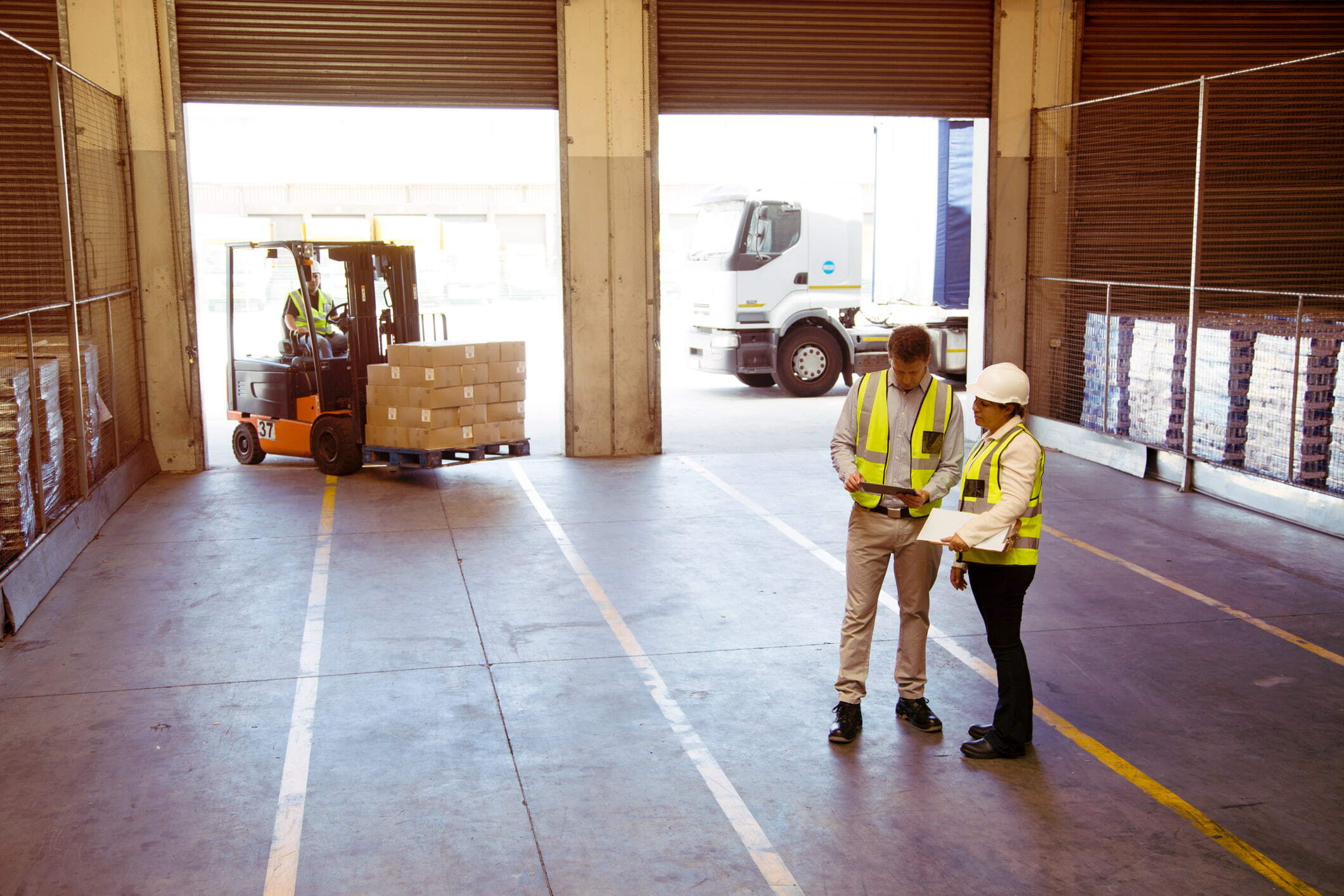
truck in a logistics warehouse
How it works

How does road freight transport work?

Key players in road freight

The shipper sends the goods. The road carrier performs the transport with its own trucks and drivers. The freight forwarder organizes the shipment on behalf of the shipper. The freight broker connects shippers and carriers, often on the spot market.
shippers in a logistics warehouse

Types of service

  • Full truckload (FTL): a single shipper books the entire truck. Suited to large volumes and sensitive goods.
  • Less-than-truckload (LTL): several shippers share the same truck. Suited to smaller shipments.
  • Express or dedicated: a truck reserved for an urgent flow, with a strict schedule.
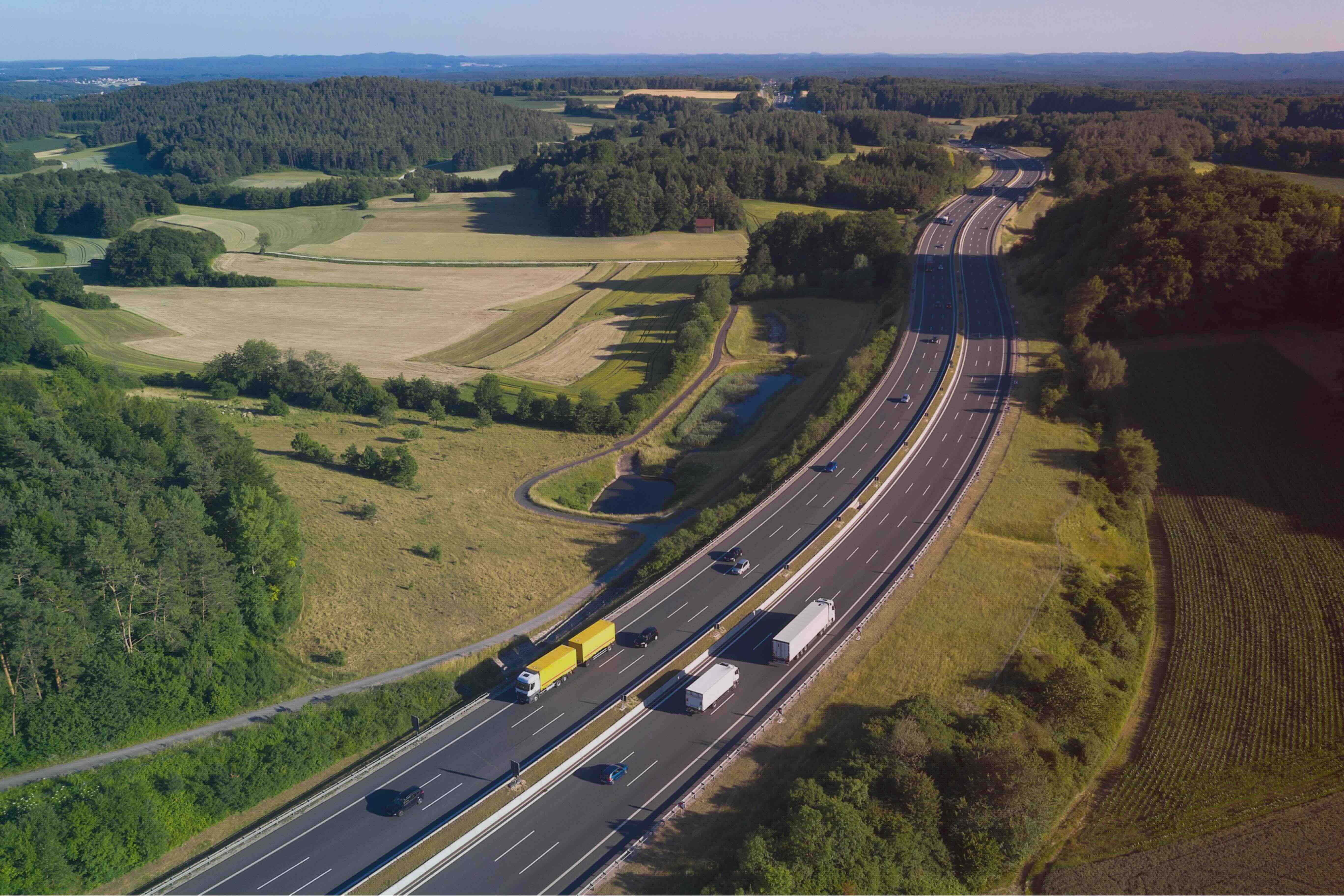
truck on a highway

Types of trucks

Articulated vehicles (tractor + semi-trailer) account for 87% of tonne-kilometers in France.

Rigid trucks account for 8% and road trains for 5%.

Bodies are adapted to the goods: curtainsider, refrigerated, tanker, flatbed.

Source: IRU

freight trucks in a logistics warehouse

Major road corridors in Europe

Germany is the hub of European road freight: in 2025, 9 of the top 20 intra-European routes by tonnage started or ended there, according to Upply Market Insights.

The most important routes are Germany–France, Spain–France, Germany–Poland and Germany–Netherlands. They connect Europe's main industrial and port hubs: Paris, Madrid, Antwerp, Rotterdam, Frankfurt, Milan and Warsaw.

The center of gravity is shifting toward Central and Eastern Europe. In 2025, Czech Republic–Germany (+30.3%) and Czech Republic–Poland (+26.1%) grew strongly, while Germany–France (-6.3%) and Spain–France (-5.1%) declined. Nearshoring reinforces this trend.

Discover the 2025 European top 10 in road freight
trucks freights lights on road

How is a road freight rate built?

The price is not limited to transport. It includes diesel indexation, tolls and additional charges (waiting time, tail lift, ADR…). Rates change with diesel prices, available capacity and demand (see why transport prices fluctuate).

They are negotiated on two markets: the contract market, with rates usually set for one year, and the spot market, with load-by-load rates that react faster to market tensions.

truck on highway
Benefits

What are the advantages of road freight?

  • Door-to-door delivery: with no break of load, trucks can reach almost any location.

  • Responsiveness: a truck can be mobilized quickly, especially on the spot market.

  • Adaptability: refrigerated, tanker, flatbed, curtainsider. There is a vehicle for every type of goods.

  • Less handling: with FTL, goods are loaded and unloaded only once.

  • Real-time tracking: GPS, TMS and eCMR provide detailed shipment visibility.

  • Competitive pricing over short and medium distances.

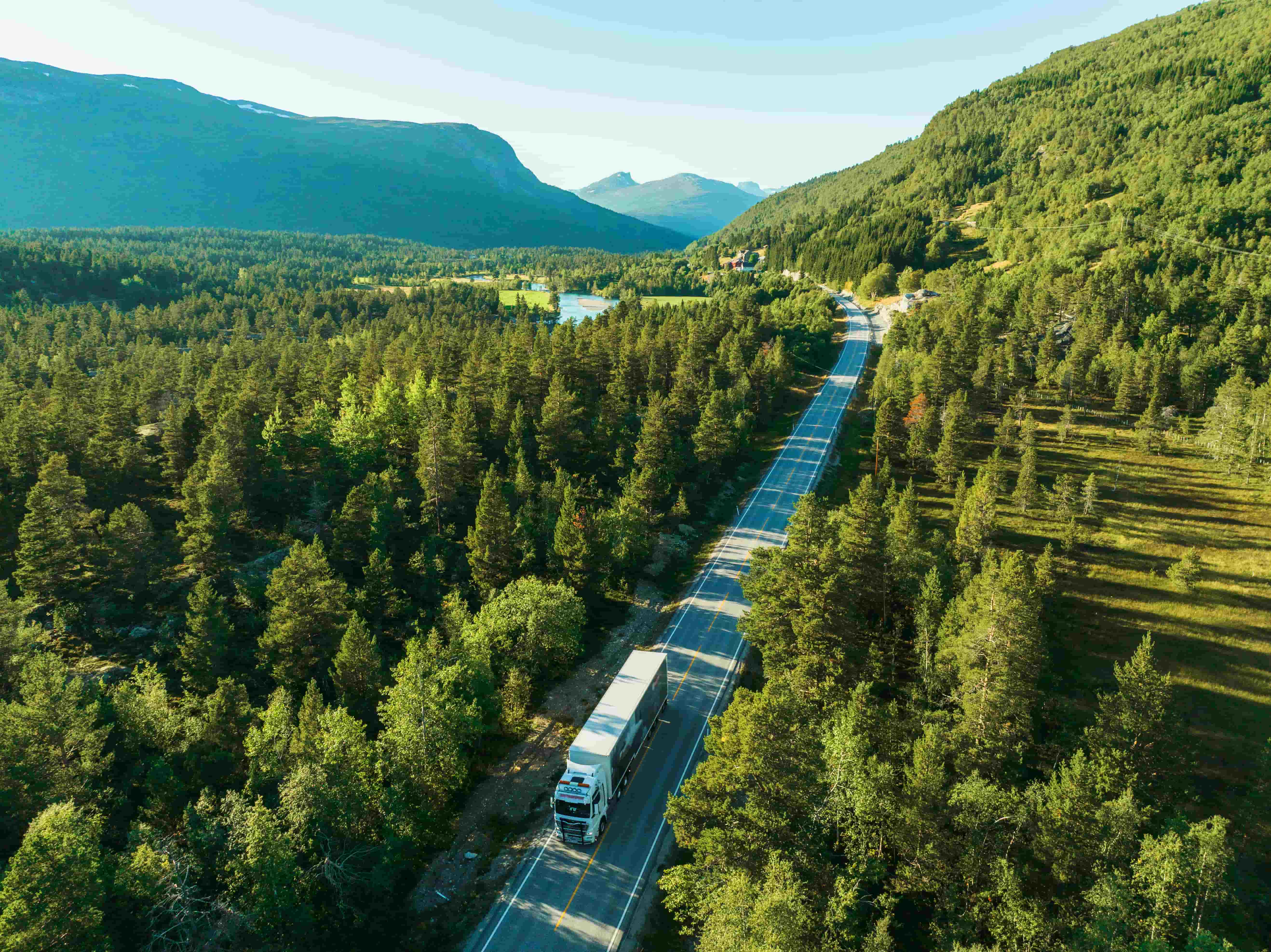
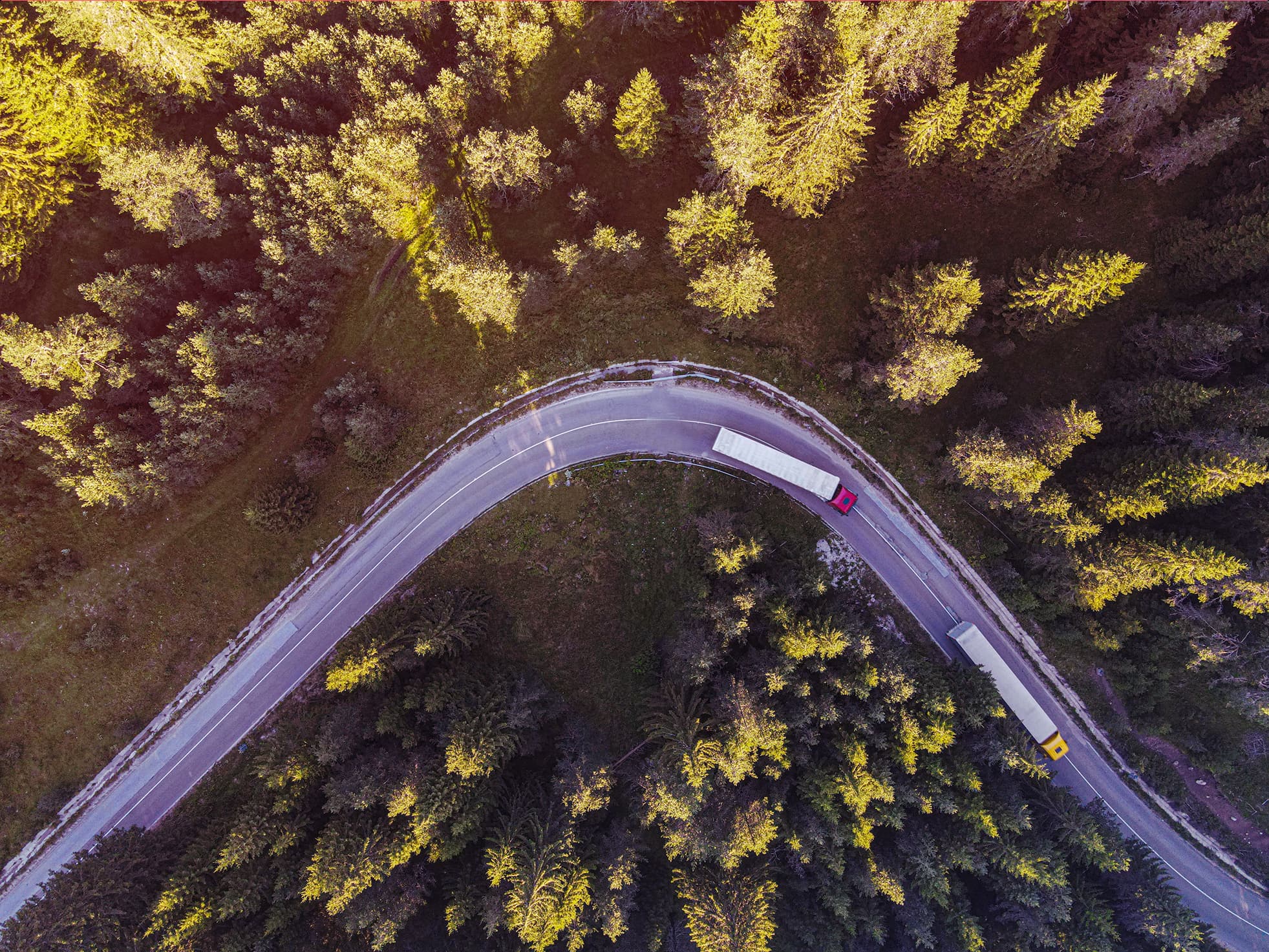
road freight truck on a road in forest
Drawbacks

What are the disadvantages of road freight?

  • Reliance on diesel: fuel weighs heavily on costs, and any increase is quickly passed on to rates.

  • Environmental impact: road transport is a major source of CO2. Alternative energies (electric, HVO, B100, biogas) remain more expensive.

  • Driver shortage: the structural lack of drivers reduces capacity and pushes wages up.

  • Empty running: around 21.6% of truck kilometers in Europe are driven empty (17.3% in France).

  • Fragmented market: many small companies with thin margins. In 2023, 40% of French road haulage companies were loss-making.

  • Regulatory and road constraints: Mobility Package, ETS2, CO2-based tolls, traffic restrictions and congestion.

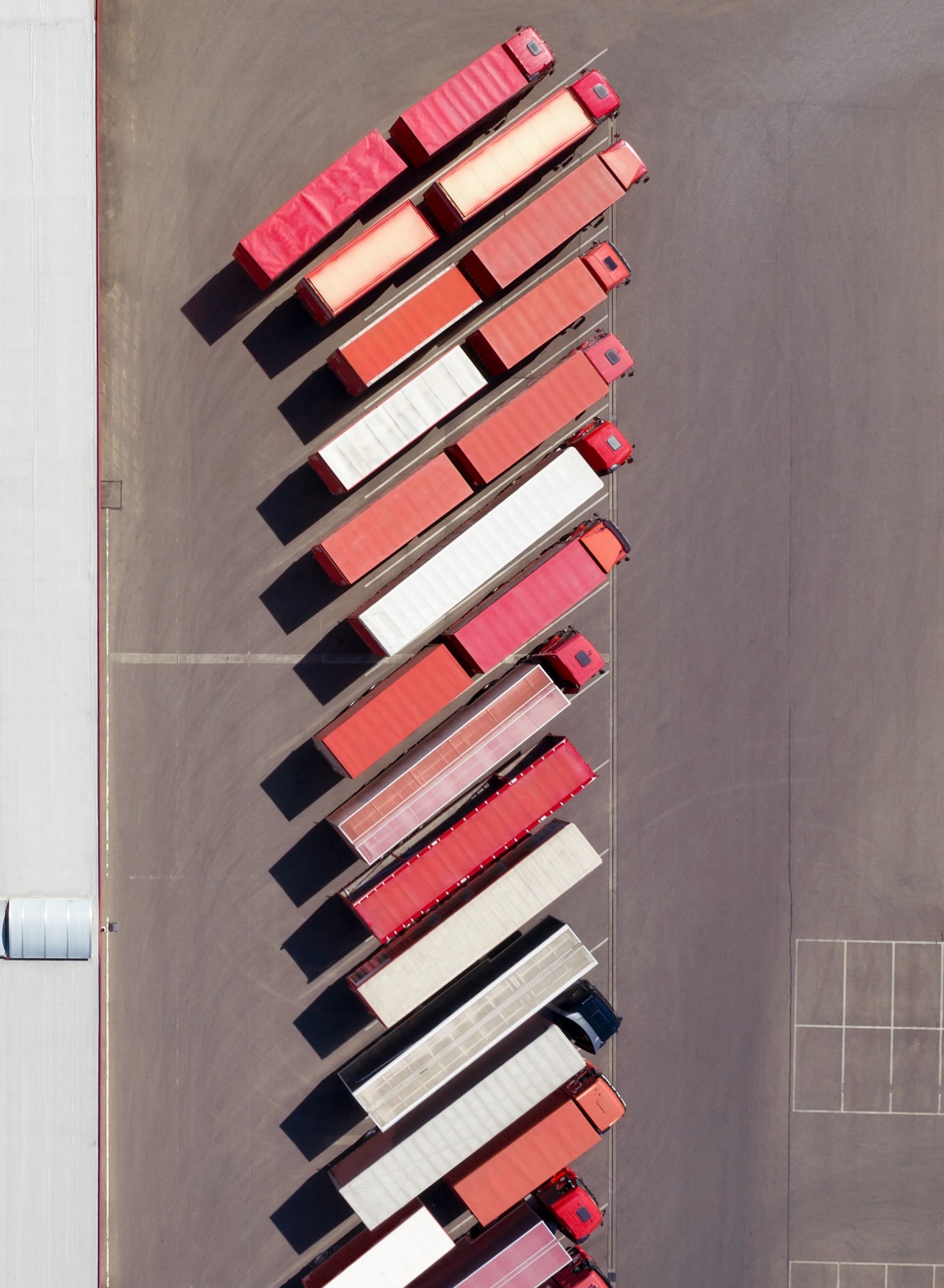
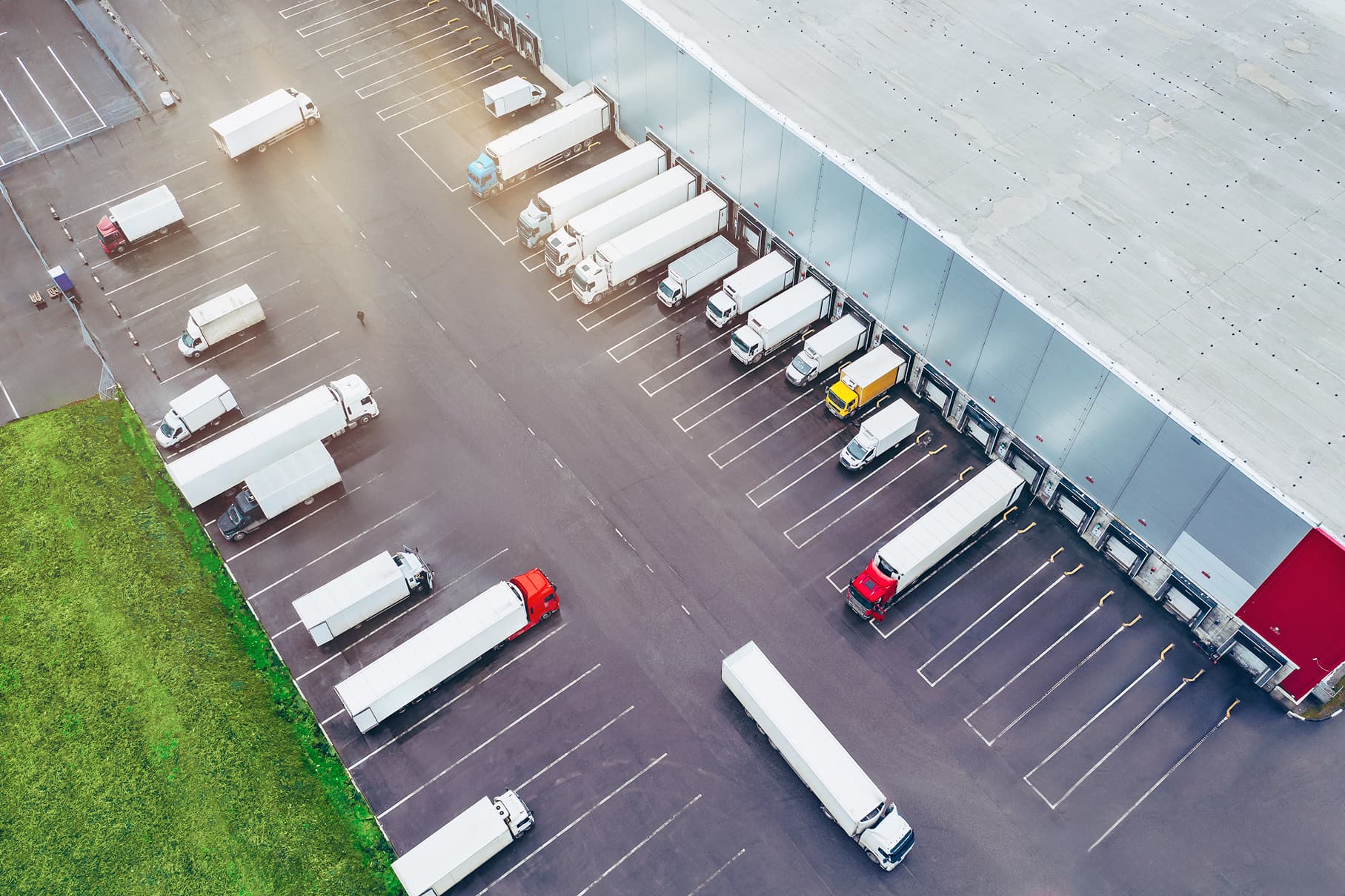
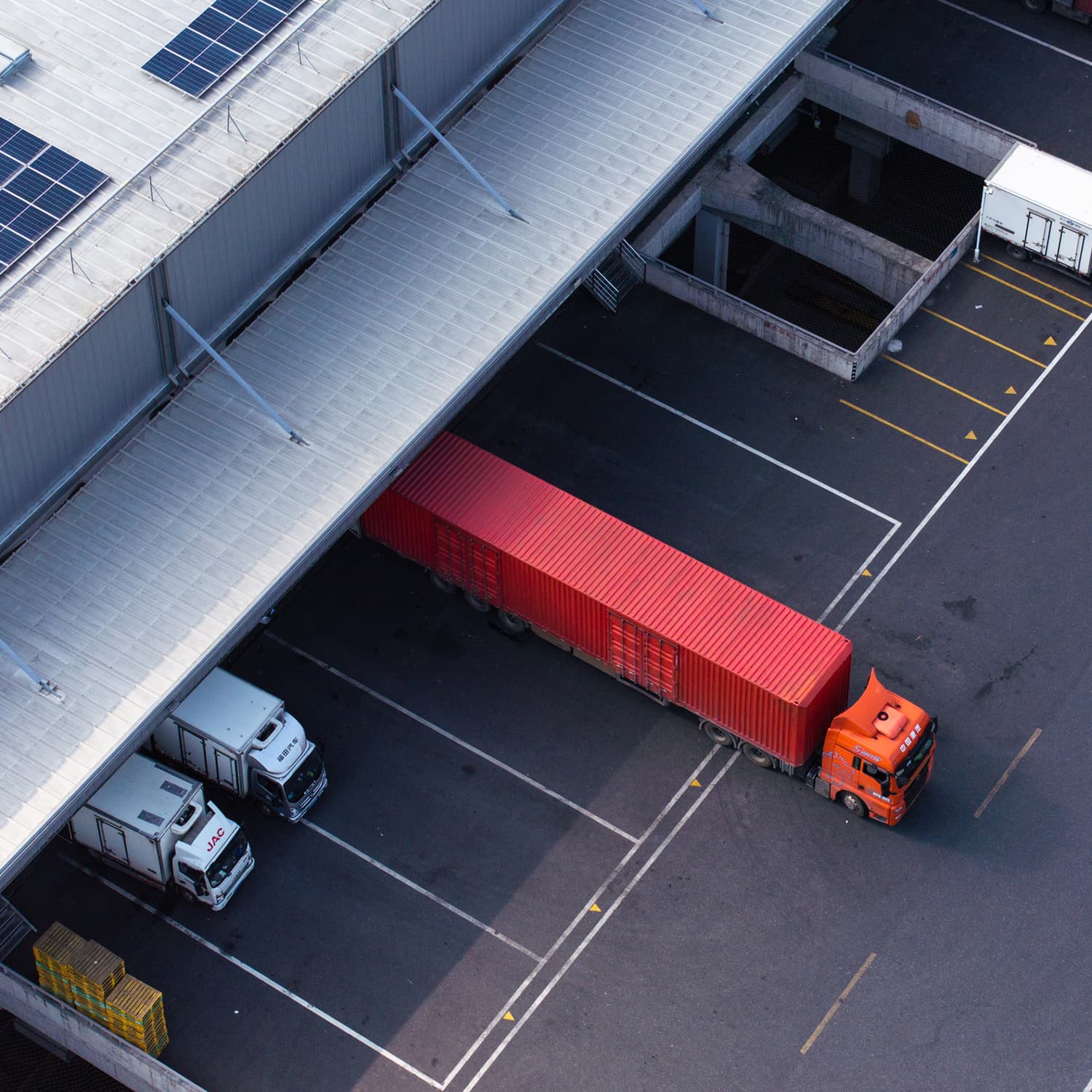
trucks on parking lot
Use cases

When should you choose road freight for your goods?

Road freight is the go-to mode for short- and medium-distance continental flows, when flexibility and door-to-door delivery matter.

For long distances and large regular volumes, rail, inland waterways or intermodal solutions are often more competitive and lower-emission.

https://26644154.fs1.hubspotusercontent-eu1.net/hubfs/26644154/website-2025/pages-ressources/streamlinehq-like-hand%201.png

Short and medium distances (under 1,500 km in Europe)

Suitable

https://26644154.fs1.hubspotusercontent-eu1.net/hubfs/26644154/website-2025/pages-ressources/streamlinehq-like-hand%201.png

Perishable goods

Suitable (refrigerated truck)

https://26644154.fs1.hubspotusercontent-eu1.net/hubfs/26644154/website-2025/pages-ressources/dislike-1-7%201.png

Intercontinental flows

Not suitable, choose ocean or air freight

https://26644154.fs1.hubspotusercontent-eu1.net/hubfs/26644154/website-2025/pages-ressources/streamlinehq-like-hand%201.png

Door-to-door delivery

Suitable

https://26644154.fs1.hubspotusercontent-eu1.net/hubfs/26644154/website-2025/pages-ressources/streamlinehq-like-hand%201.png

Urgent delivery within Europe

Suitable (express or dedicated)

https://26644154.fs1.hubspotusercontent-eu1.net/hubfs/26644154/website-2025/pages-ressources/dislike-1-7%201.png

Large regular volumes over long distances

Less suitable, choose rail or intermodal

https://26644154.fs1.hubspotusercontent-eu1.net/hubfs/26644154/website-2025/pages-ressources/streamlinehq-like-hand%201.png

Variable or irregular volumes

Suitable (spot or LTL)

https://26644154.fs1.hubspotusercontent-eu1.net/hubfs/26644154/website-2025/pages-ressources/streamlinehq-like-hand%201.png

Dangerous goods

Suitable (ADR equipment)

  • https://26644154.fs1.hubspotusercontent-eu1.net/hubfs/26644154/website-2025/pages-ressources/streamlinehq-like-hand%201.png

    Short and medium distances (under 1,500 km in Europe)

    Suitable

  • https://26644154.fs1.hubspotusercontent-eu1.net/hubfs/26644154/website-2025/pages-ressources/streamlinehq-like-hand%201.png

    Perishable goods

    Suitable (refrigerated truck)

  • https://26644154.fs1.hubspotusercontent-eu1.net/hubfs/26644154/website-2025/pages-ressources/dislike-1-7%201.png

    Intercontinental flows

    Not suitable, choose ocean or air freight

  • https://26644154.fs1.hubspotusercontent-eu1.net/hubfs/26644154/website-2025/pages-ressources/streamlinehq-like-hand%201.png

    Door-to-door delivery

    Suitable

  • https://26644154.fs1.hubspotusercontent-eu1.net/hubfs/26644154/website-2025/pages-ressources/streamlinehq-like-hand%201.png

    Urgent delivery within Europe

    Suitable (express or dedicated)

  • https://26644154.fs1.hubspotusercontent-eu1.net/hubfs/26644154/website-2025/pages-ressources/dislike-1-7%201.png

    Large regular volumes over long distances

    Less suitable, choose rail or intermodal

  • https://26644154.fs1.hubspotusercontent-eu1.net/hubfs/26644154/website-2025/pages-ressources/streamlinehq-like-hand%201.png

    Variable or irregular volumes

    Suitable (spot or LTL)

  • https://26644154.fs1.hubspotusercontent-eu1.net/hubfs/26644154/website-2025/pages-ressources/streamlinehq-like-hand%201.png

    Dangerous goods

    Suitable (ADR equipment)

fret routier de marchandises fret routier de marchandises fret routier de marchandises fret routier de marchandises
Indicators & data

Which indicators should you track to manage road freight purchasing?

Find our market update in the monthly road barometer from Upply Market Insights.

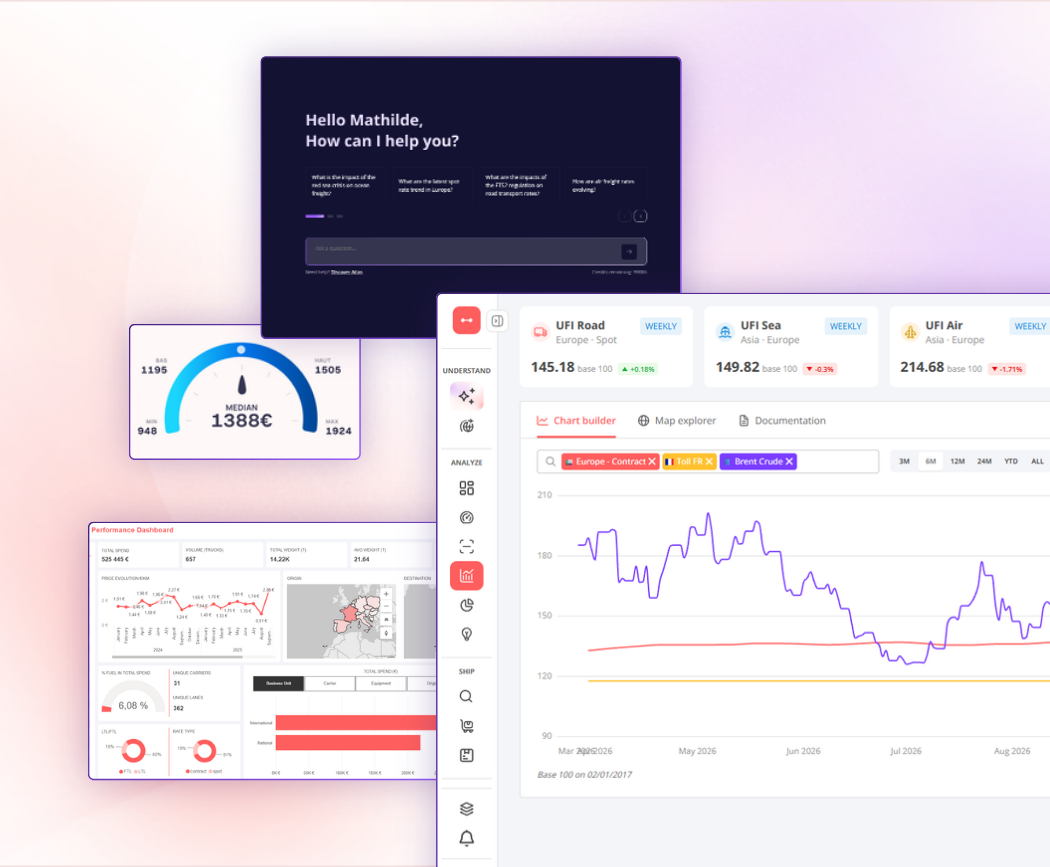
The Upply Freight Index (UFI), Upply's proprietary road index for contract and spot rates, based on real invoiced prices, and the average price per kilometer.

fret routier de marchandises

The CNR professional diesel index and the CNR long-distance articulated vehicle index, which measures the full operating cost of a truck.

fret routier de marchandises

The empty running rate and the supply/demand ratio on freight exchanges signal capacity tensions.

fret routier de marchandises

The INSEE business climate index for road haulage, the FNTR quarterly survey and the manufacturing PMI, partly available on Upply Data Hub.

fret routier de marchandises
FAQ

Frequently asked questions about road freight

Do you have questions about road transport? Discover the most common questions from industry professionals.

With FTL (full truckload), a single shipper books the entire truck.

With LTL (less-than-truckload), several shippers share the same truck.

FTL is faster and safer; LTL is more cost-effective for small volumes.

Rates mainly follow diesel costs, available capacity (trucks and drivers) and transport demand.

Tolls, wages and regulations also weigh in. Spot rates react within days, contract rates over several months.

Upply publishes a monthly road barometer in Market Insights. Upply Data Hub centralizes price, diesel and toll indices. Benchmark compares your rates lane by lane with the market, and Atlas, Upply's AI assistant, analyzes trends in natural language.

In Europe, road freight generally remains competitive up to around 1,500 km. Beyond that, and for regular volumes, rail or intermodal can cost less and emit less CO2.

Most likely. CO2-based tolls, the upcoming ETS2 and the extra cost of electric or biofuel trucks increase carriers' costs, and part of this is passed on to rates.