logo-upply-corail-press

Containerized Ocean Transport: Ports, Hubs, Alliances and Routes

Explore our ocean freight guide
containers

What Are the Main Container Types?

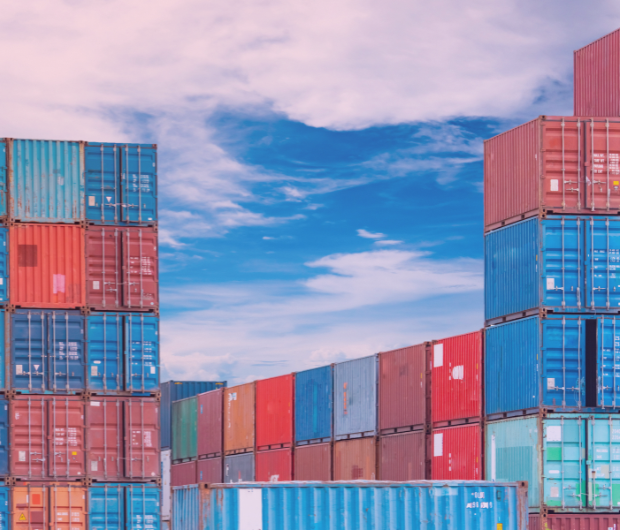
The type of container is chosen according to volume, the nature of the goods and the conditions required for transport.

  • Standard dry (20' / 40'): the most common format for general dry cargo

  • 40-foot High Cube: a taller container, suited to bulky goods

  • Reefer: a temperature-controlled container for perishable goods and pharmaceutical products

  • Open Top and Flat Rack: open containers for out-of-gauge cargo

  • Tank: a tank built into a standardized frame for transporting liquids

Vessel capacity and port volumes are generally expressed in TEU (twenty-foot equivalent units). One TEU corresponds to one 20-foot container. A 40-foot container counts as two TEU.

Containers-port-sea-freight
Container-lot-port port-lot-container
Ports & hubs

What Are the World's Main Ports and Hubs?

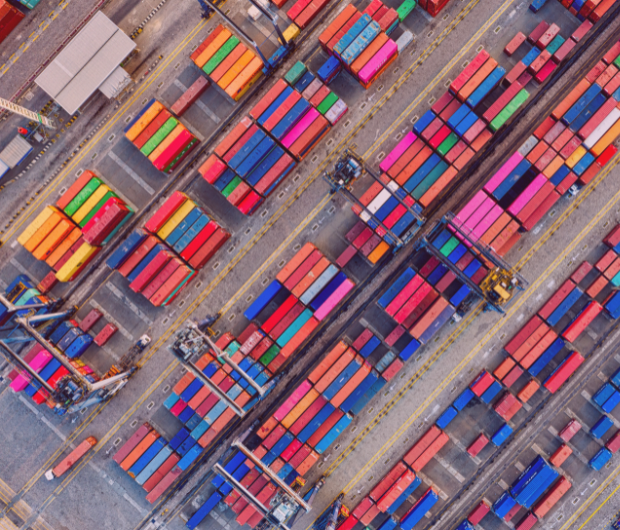
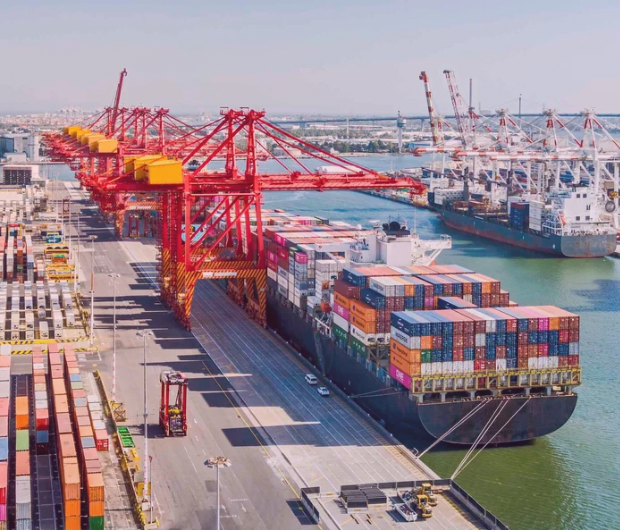
Ports are the interface between ocean transport and land networks. Their terminals receive, store and handle containers before they leave by ship, road, rail or inland waterway.

Some ports act as transshipment hubs: containers are moved from large container ships onto smaller vessels, called feeders, that serve regional ports. This model lets carriers extend their coverage, but it adds a step and a risk of delay.

Container-lot-port

In 2025, the world's top 20 ports handled nearly 450 million TEU. Asia dominates the ranking by a wide margin, with 15 ports in the top 20, including nine Chinese ports.

Shanghai keeps first place with more than 55 million TEU, ahead of Singapore and Ningbo-Zhoushan. Rotterdam and Antwerp-Bruges are the only two European ports in the ranking, while Tangier Med remains the only African port.

port-lot-container
Alliances

How Do Shipping Alliances Work?

Major shipping lines join alliances to pool their vessels and offer more frequencies on the main trade lanes. Since February 2025, the landscape has gone through its first major reshuffle since 2017:

  • Gemini Cooperation: Maersk and Hapag-Lloyd

  • MSC: operates its own network

  • Premier Alliance: ONE, HMM and Yang Ming

  • Ocean Alliance: CMA CGM, COSCO Shipping, Evergreen and OOCL

A merger between Hapag-Lloyd and ZIM is also under way. If completed, it would create the world's fifth-largest shipping line. Its outcome remains uncertain, however, pending approval from competition authorities.

For a detailed analysis, see our article on the reshuffle and its impact on service supply.

Cargos for Shipping
Routes and Strategic Chokepoints

What Are the Main Containerized Shipping Routes?

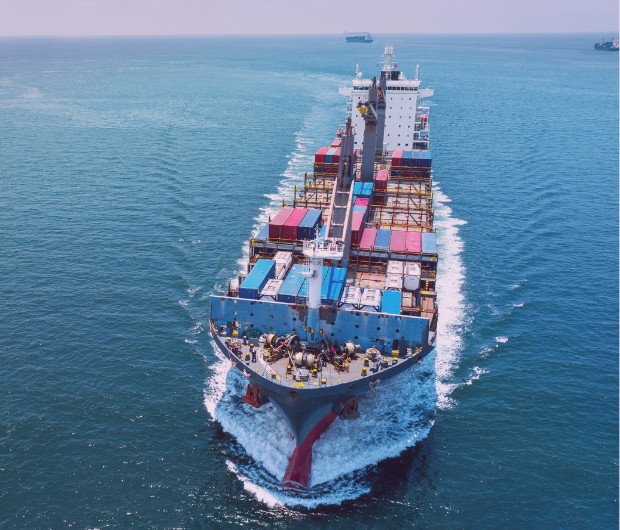
The main container routes connect the major production and consumption basins:

  • Asia-Europe: connects mainly Chinese and other Asian ports to the Mediterranean and the Northern Range

  • Transpacific: connects Asia to the West and East coasts of North America

  • Transatlantic: connects Europe and North America

  • North-South routes: serve Africa, Latin America, Oceania and the Indian subcontinent

  • Intra-regional services: distribute flows within Asia, Europe, the Americas and the Middle East

These routes pass through several strategic chokepoints, such as the Suez and Panama canals or the straits of Malacca, Hormuz and Bab el-Mandeb.

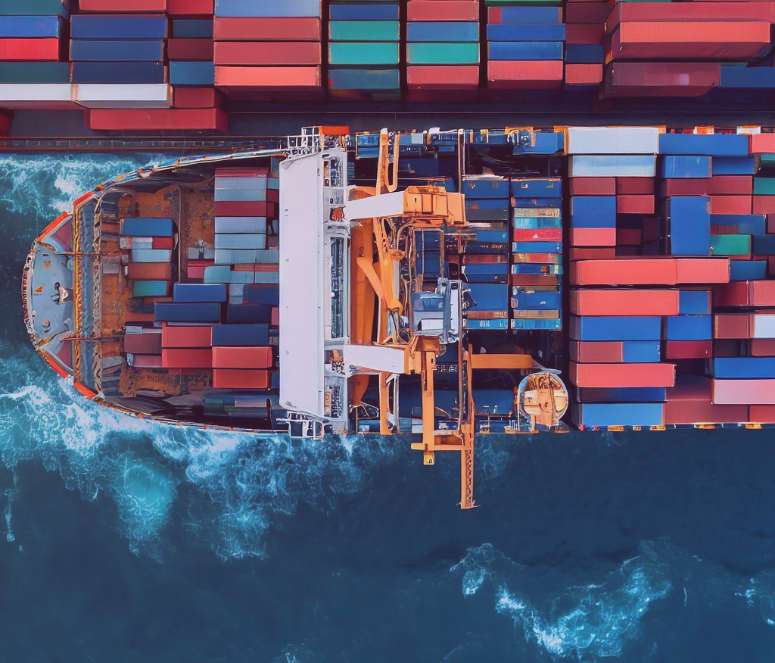
A crisis or navigation restriction can quickly change itineraries, reduce available capacity and increase transit times, costs and carbon emissions.

cargo ship carrying container and running
Capacity

What Is a Blank Sailing?

A blank sailing is the cancellation of a scheduled sailing, or of certain port calls, on a regular service. Carriers may use it to:

  • adjust capacity to demand

  • reorganize vessel rotations

  • absorb accumulated delays

  • limit the impact of port congestion

  • adjust supply during a market slowdown

For shippers, these cancellations can reduce the number of available departures, delay a shipment or lead to its transfer to another service. When they multiply, they also concentrate volumes on the remaining sailings and can help support freight rates.

porte_conteneurs_en_escale
FAQ

Frequently Asked Questions About Ports and Shipping Lines

Have questions about how ports, hubs and shipping lines work? Here are the questions industry professionals ask most.

A port of call is a port served by an ocean service.

A hub concentrates a large volume of flows and organizes many transshipments between main lines and regional services.

Not all port pairs have a direct service. Transshipment connects a regional port to a main shipping line through a hub.

Alliances and cooperation agreements let carriers share vessels and capacity on certain routes. They can thus broaden their coverage and offer more frequencies.

Upply's solutions can help you cross-check several levels of analysis: Benchmark to track freight rate trends on your trade lanes, Data Hub to analyze the economic and sector indicators that influence the market, and Atlas, Upply's AI agent, to understand current disruptions and their impact on routes, capacity and prices.